Running a gaming center looks simple from the outside — plug in some PCs, charge by the hour, print money. Reality is messier. Margins are thin, hardware depreciates fast, and a slow Tuesday can wipe out everything you made on Saturday night.
After talking to dozens of operators across India, we've identified the levers that actually matter.
Seat pricing is your biggest lever
Most centers price by gut feel or by copying the place down the road. That's a mistake. Your price per hour should be anchored to your cost per hour per seat — hardware depreciation, electricity, internet, rent divided by total hours — and then marked up to cover labor and profit.
A rough formula: if a PC seat costs you ₹8/hr to run, pricing at ₹30/hr gives you a 3.75× markup. That sounds healthy until you factor in 40% average occupancy — now your effective margin collapses.
The fix: price for 50% occupancy, not 100%. If you can only fill half your seats on average, your pricing needs to make money at half-full.
Food and beverages: the hidden profit center
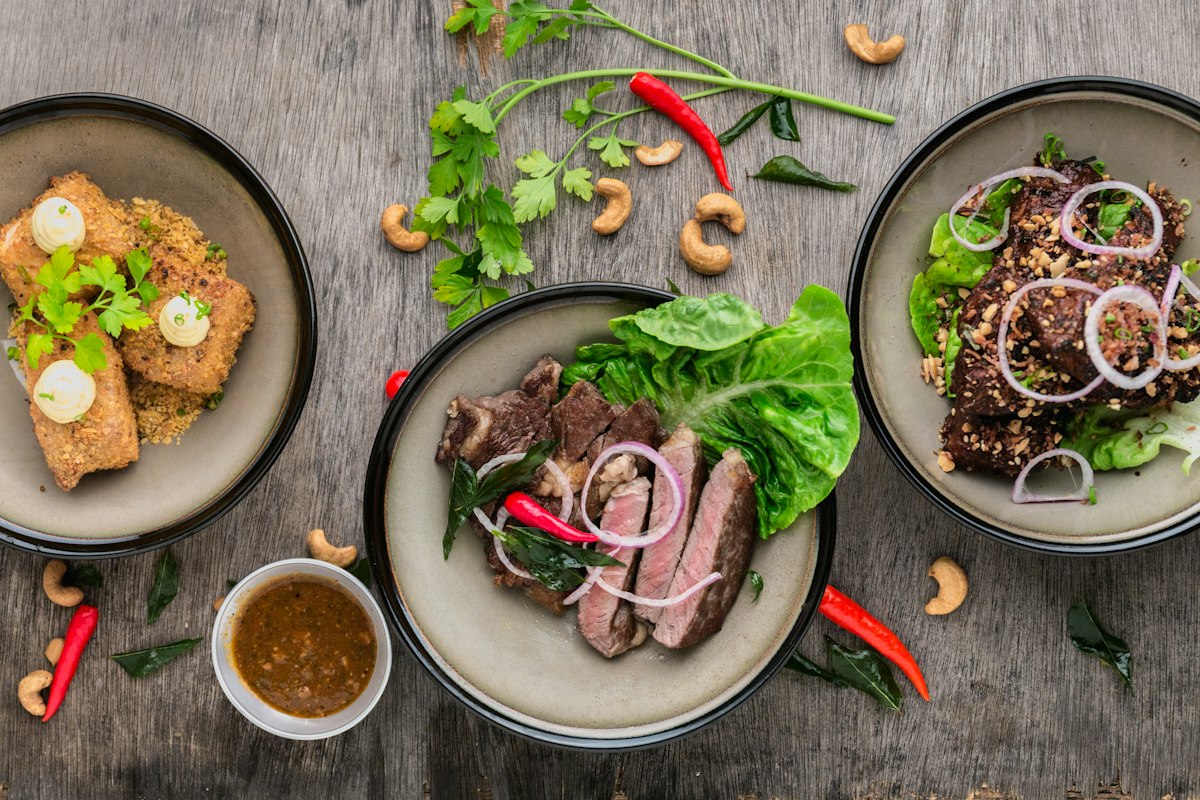
The best operators we've spoken to make 30–40% of their revenue from food — with margins of 60–70% compared to 20–30% on seats. Energy drinks, chips, burgers, sandwiches: low prep, high markup, and customers don't leave to eat.
The key is making ordering frictionless. A printed QR code at each seat that opens your food menu eliminates the need for customers to interrupt their session to walk to a counter. Airavoto POS supports in-seat food orders natively — orders go straight to the kitchen display without the customer moving.
Peak vs off-peak pricing
Flat hourly rates leave money on the table on Friday nights and push customers away on Wednesday mornings. Consider:
- Peak (evenings, weekends): standard rate or 10–20% premium
- Off-peak (mornings, weekdays): 20–30% discount, targeted at students and freelancers
- Packages: 10-hour bundles at a slight discount encourage repeat visits
Track your data
You can't improve what you don't measure. At minimum, track: - Occupancy rate by hour and day - Revenue per seat per day - Food order attach rate (% of sessions with a food order) - Average session length
Most POS systems give you this automatically. If yours doesn't, it's time to switch.
The bottom line
Profitability in gaming centers is an operations problem, not a footfall problem. Centers that track numbers, price correctly, and sell food alongside seats consistently outperform those that rely on walk-ins alone.