VR headsets and racing simulators are the most-asked-about hardware addition for operators looking to differentiate. They command premium rates, attract curious first-timers, and generate strong social media content. But the upfront cost is real and the audience is smaller than you think.
VR: the numbers
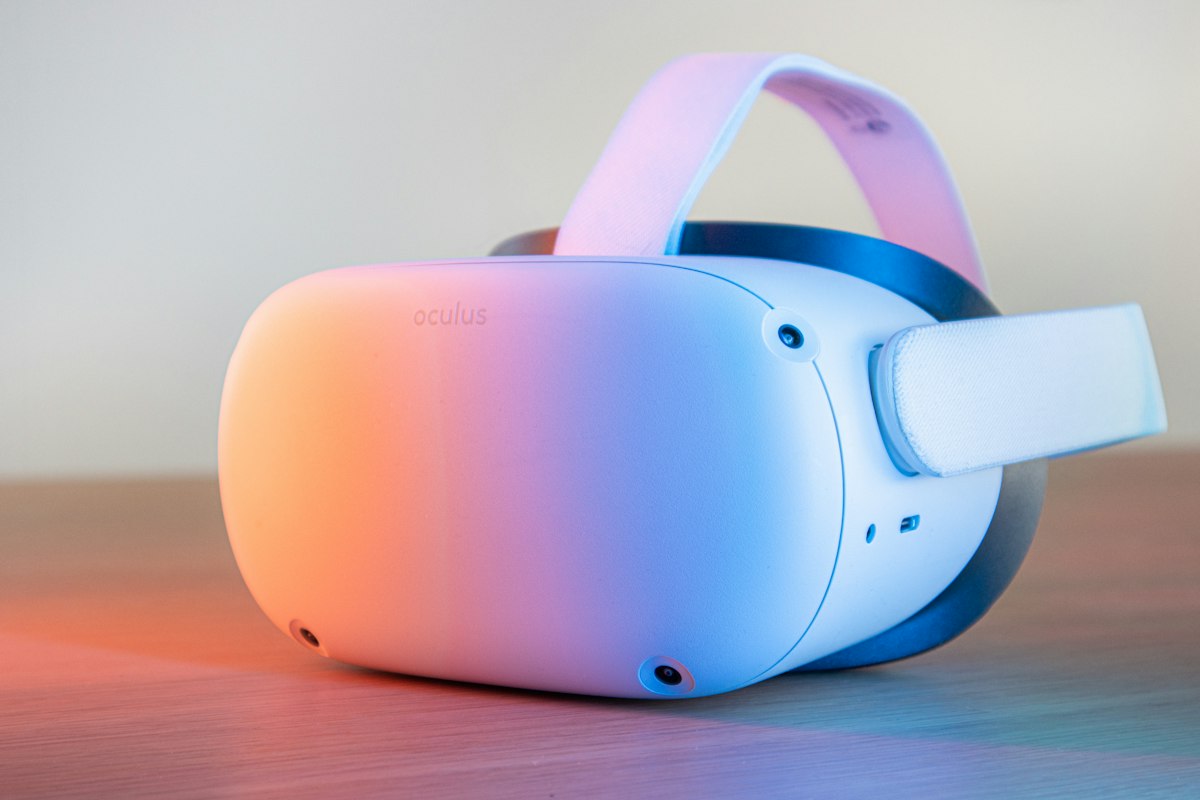
Meta Quest 3 setup (standalone VR): ₹60,000–₹70,000 per station including headset, controllers, cleaning supplies and a dedicated charging station.
PC-powered VR (Valve Index, Pimax): ₹1,50,000–₹2,00,000 per station including the headset and the PC powerful enough to drive it. Higher quality, higher cost.
Typical pricing: ₹150–₹300 per 30-minute session, depending on city and experience.
Break-even calculation (Meta Quest 3 at ₹200/session, 8 sessions/day): ₹1,600/day revenue. Hardware cost ₹65,000. Break-even: ~41 days of full bookings.
In practice, 8 sessions/day is optimistic for a standalone unit. Expect 3–5 sessions/day average, pushing break-even to 3–5 months. Still reasonable.
What VR does that PCs can't
VR attracts customers who wouldn't normally visit a gaming center — birthday groups, corporate team outings, couples. These are high-value, low-frequency customers willing to pay a premium for novelty.
It also generates walk-in curiosity. A visible VR station facing the entrance pulls people in who were just passing by.
Racing simulators
A proper racing sim setup (Logitech G29 or Fanatec wheel, bucket seat, triple monitors or a curved ultrawide) costs ₹1,20,000–₹1,80,000 and commands ₹100–₹150/hr.
These attract a specific demographic — motorsport fans, older gamers, serious sim-racers — who tend to have longer sessions and higher spend on food.
Our recommendation
Start with 2 VR stations rather than one (redundancy if one needs maintenance) and 1 racing simulator if your space allows. Position them visibly. Price the first session slightly lower (₹149 for 20 minutes) to reduce the "is it worth it?" hesitation.
Don't go VR-heavy. 2–3 VR stations alongside a core PC/PS5 setup is the sweet spot. A center full of VR headsets struggles with utilization outside peak hours.